Prostate Cancer
- What is Prostate Cancer?
- What causes Prostate Cancer?
- Who is at risk?
- What are the warning signs and symptoms?
- How is Prostate Cancer diagnosed?
- How do you treat Prostate Cancer?
- Radiotherapy Treatments for Prostate Cancer
- What is Radiation Therapy?
- What are the survival rates?
- Are there screening tests available?
- Discover More About Prostate Cancer


Contact Us
What is prostate cancer?
Prostate cancer is the most common cancer in American men, second only to skin cancer. Prostate Cancer forms in tissues of the prostate, a gland in the male reproductive system found below the bladder and in front of the rectum. One in nine men will be diagnosed with prostate cancer in their lifetime.
Back to Top
What causes prostate cancer?
The prostate, a gland found only in males, is located between the bladder and the rectum. Its primary function is to produce the seminal fluid that nourishes and transports sperm. Cancer develops when normal cells in the prostate gland become abnormal and begin to grow out of control. Typically, prostate cancer is slow-growing. Although in younger men, it is often more aggressive and can spread faster, making it more difficult to treat.
Back to Top
What are risk factors for developing prostate cancer?
The majority of cases (6 in 10) are diagnosed at age 65 or older; the average age at diagnosis is 66. Although rare, it can occur in men below age 50. Research indicates that African American men are 60 percent more likely to develop the disease than white, Latino or Asian men.
Back to Top
What are the warning signs and symptoms of prostate cancer?
While some men have no symptoms, there are warning signs:
- Frequent urination, often with the sudden need to urinate in the middle of the night
- Pain or burning during urination
- Blood in the urine
- Weak urine flow
How is prostate cancer diagnosed?
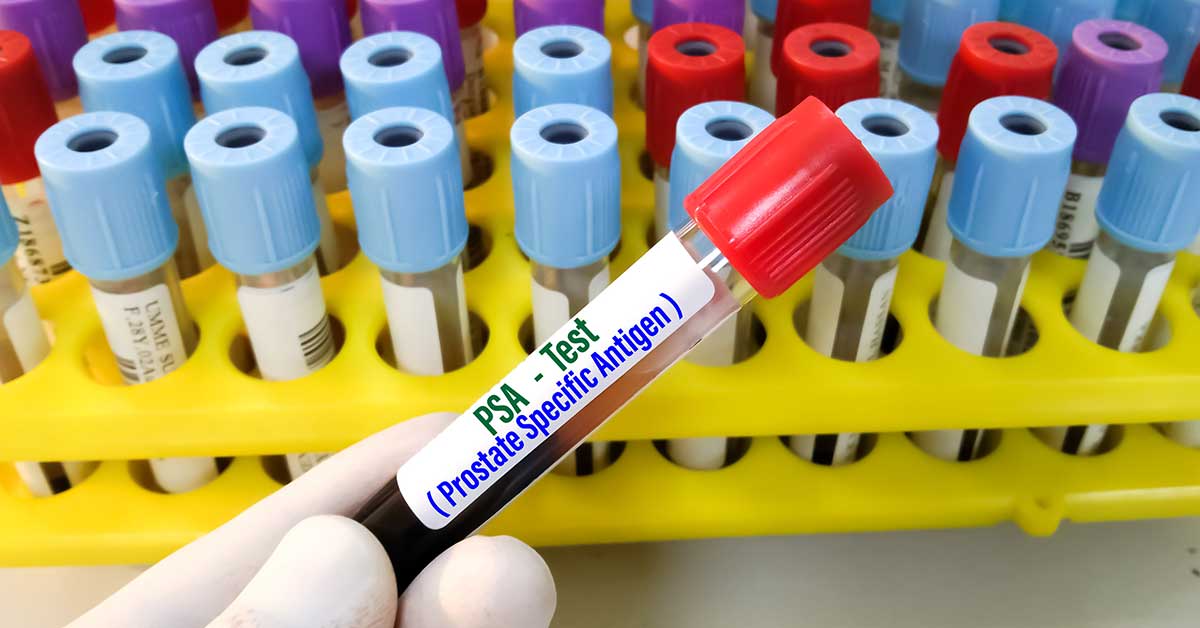
A blood test that measures the level of prostate specific antigen (PSA), a protein made by the prostate, is often the first step in screening for prostate cancer. The higher the PSA level in the blood, the more likely that a prostate problem is present. A digital rectal exam can also detect abnormalities in the prostate. If the result of either test is abnormal, your doctor may recommend a biopsy to investigate further.
If a core needle biopsy is recommended to confirm a diagnosis, the tissue is evaluated using a Gleason score. This score reflects how aggressive the cancer appears under a microscope. Lower scores are linked to a better prognosis, while higher scores suggest a more aggressive cancer that may require more intensive treatment.
Once diagnosed with prostate cancer, your doctor may recommend a PET PSMA scan if you:
- Have high-risk prostate cancer and need staging before radiation treatment
- Have a rising PSA after prostate surgery or prior radiation treatment
- Need additional imaging to support personalized radiation treatment planning
- Have prostate cancer where the location of disease is uncertain on standard scans
PET PSMA is an advanced imaging scan that helps your care team see prostate cancer more clearly. This scan can detect small areas of cancer that may not show up on standard imaging tests. With clearer imaging, your radiation oncologist can plan treatment with greater precision.
Back to Top
How do you treat prostate cancer?
Prostate cancer is often slow growing. It can take years to become detectable, and even longer to spread, or metastasize, outside of the prostate. Many doctors recommend watchful waiting. They may choose to closely monitor the prostate with regular PSA testing and biopsies rather than starting treatment.
However, some prostate cases are more aggressive and need more urgent treatment. Surgery, radiation therapy or radiotherapy and hormone therapy and radiopharmaceutical therapy are among the most common treatments.
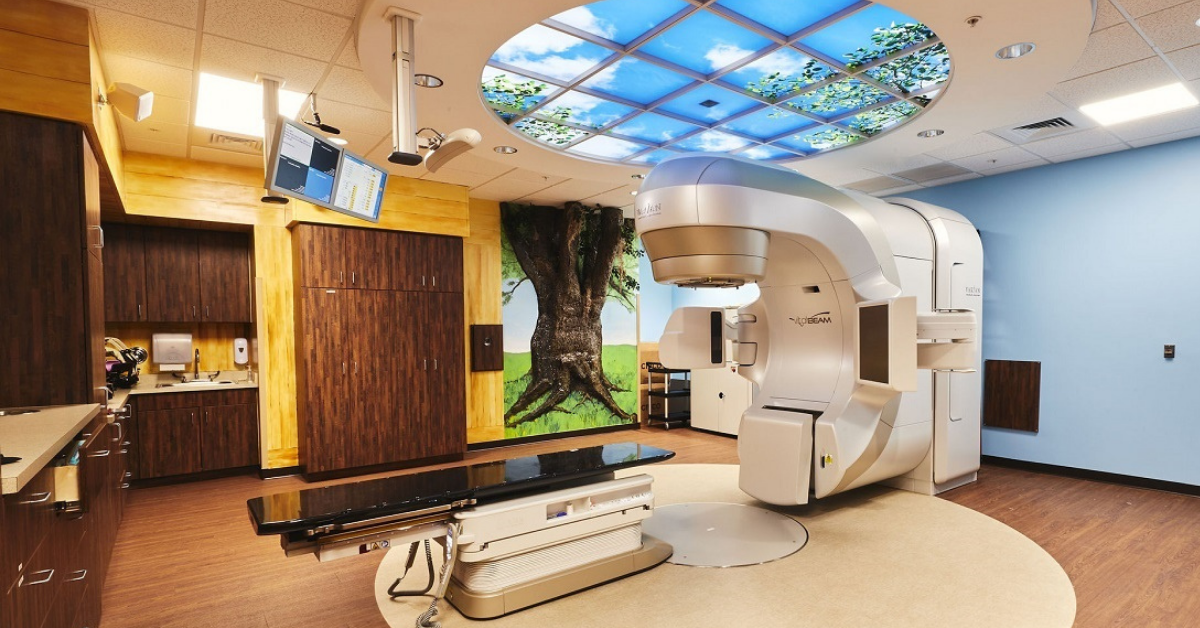
- Non-invasive radiation therapies seek to kill the cancer. Radiation can be delivered externally by directing it at the cancerous cells.
- Brachytherapy surgically places radioactive seeds or pellets into or near the cancer cells to destroy them.
- A prostatectomy surgically removes the prostate.
- Radiopharmaceutical therapy is a targeted radioactive drug therapy infused into the bloodstream to target and destroy cancer cells anywhere in the body while sparing most healthy cells. Your provider will review your case and determine if Pluvicto™ or Xofigo® are an appropriate treatment.
Today, many prostate cancers can be treated in very short schedules that result in optimal outcomes, decreased cost and increased patient convenience. Florida Cancer Specialists & Research Institute offers the most advanced and personalized treatment options for prostate cancer, using state-of-the-art technologies and surgical techniques. Learn more about different types of radiotherapy available for prostate cancer treatment.
Back to Top
What are the survival rates for prostate cancer?
When found early, while cancer is confined to the prostate or the region surrounding it, treatment success and survival rates are very high. In the U.S., more than 90 percent of men diagnosed with prostate cancer live for five years or longer after treatment.
Back to Top
Are there screening tests that can help detect prostate cancer early?
Knowing the risk factors, symptoms and recommended screening guidelines is vital to early detection. The majority of prostate cancer cases are discovered in the early stages, making the disease more likely to respond to treatment. While no one can control age and hereditary factors, lifestyle changes can help decrease cancer risk. A plant-based diet, healthy weight and regular exercise have all been shown to lower the risk of prostate cancer.
Screening is recommended beginning at:
- Age 50 for men who have an average risk for prostate cancer
- Age 45 for men with a high risk of prostate cancer, including African American men, and any male with an immediate family member diagnosed with the disease under the age of 65
Talk with your doctor to make the best personal decision about whether and when to undergo PSA screening. Early detection can make all the difference for treating the disease before it spreads, often resulting in a better outcome.